
Published September 20, 2019
Winterizing Your Yard 101

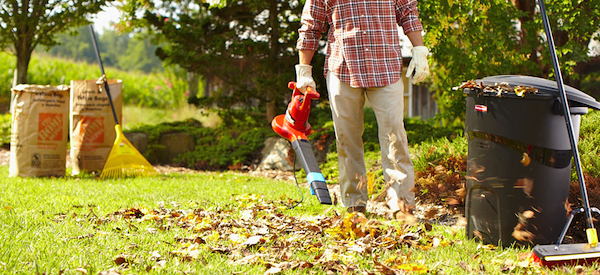
The right preparation now will save you time and energy when spring rolls around. It's a well-known fact that the best way to ensure a thick, green, and healthy lawn in the spring is to give it some well-timed care in the fall—in other words, right now.
Make sure you get the most out of your yard next year by following our guide of fall cleanup musts.
#1 - CLEAN OUT DEBRIS AND FALLEN LEAVES
A carpet of colorful autumn leaves may look nice and be fun to play in, but they're no good for grass. They block the light and trap moisture, potentially fatal knockout punches for the unlucky turf underneath.
Even after the trees are bare, continue raking out the corners where the wind piles leaves up. If you don't, come spring the grass under that soggy, decaying mat will be dead.
And a not so nice bonus, fallen leaves and weeds are the perfect place for pests to settle in for the winter. Clear out flower beds to keep the critters at bay.
#2 - KEEP CUTTING YOUR LAWN AND TRIMMING BRANCHES
Don't put that mower away yet. Grass continues to grow up to the first hard frost, and so will need regular cuts to keep it at an ideal 2½- to 3-inch height. If you let it get too long, it will mat and be vulnerable to fungi like snow mold.
Trim any dead branches and cut back overgrown trees and bushes. If you have blooming perennials like clematis or roses, now is the time to prune them and train the branches.
Trimming up any large or out-of-place tree branches that may cause trouble during the winter will also do you a world of good. You don’t want any branches breaking and falling during the snowfall to come.
#3 - LOOSEN THAT SOIL
Break up soil to keep water from pooling and guarantee that nutrients will reach the roots over the winter. A garden fork will do the job for small yards, but larger yards may require a walk-behind aerator, which should be available to rent for a reasonable price.
A core aerator prevents soil from becoming compacted and covered with thatch, a thick layer of roots, stems, and debris that blocks water, oxygen, and nutrients from reaching the soil, by punching holes through that thatch and pulling up plugs of soil.
#4 - FEED THE LAWN AND PUT DOWN SEED
Send your yard into winter with the nutrients it needs to survive the long, cold sleep. Add a fall lawn fertilizer with high phosphorus content to encourage root growth and enjoy a lush, green lawn come spring.
It's important to overseed existing grass, not only does that fill in thin spots or bare patches, but it allows you to introduce the latest in resilient, drought-tolerant grasses.
Fall is the best time to overseed because the ground is still warm, moisture is more plentiful, the nights are cool, and the sun is not as hot during the day.
#5 - BREAK OUT THE POWER WASHER
Prevent the growth of mold and mildew by giving your siding and deck a good power wash. If you don’t have a pressure washer, you can rent one from a garden store.
Once the deck is clean and dry, add a weatherproofing stain to your deck to protect the wood from moisture damage over the winter.
#6 - CLEAN AND STORE YOUR TOOLS
Don’t throw your gardening tools and lawn mower in the shed and forget about them until spring. Take time to give them a good cleaning and add a light coat of oil to prevent rust during the cold season.
Following this guide will have you well on your way to a wonderfully winterized yard that will be ready to wow you with lush, green bounty once the warm weather returns.

Roxanne Schwandt-Knutson
Owner | REALTOR | ABR | GRI | RESE | Dream Maker Real Estate Professionals | eXp Realty, LLC
or another way